


Acoustic Treatment for a RAI Recording Studio
When every detail can be heard, acoustics cannot be left to chance
Acoustic treatment for a RAI recording studio: a professional environment where the quality of voice and music calls for particularly careful control of how sound behaves within the space.
The aim was not simply to make the room “less reverberant”. The requirement was far more specific: to achieve a balanced acoustic response that could enhance vocal clarity while allowing music to retain its natural character.
Three aspects, in particular, needed to be addressed.
1. Achieving a balanced frequency response
In a recording studio, it is essential that the room does not excessively emphasise or attenuate specific frequencies. The goal was therefore to achieve the most balanced acoustic response possible, creating more controlled and reliable conditions for both recording and critical listening.
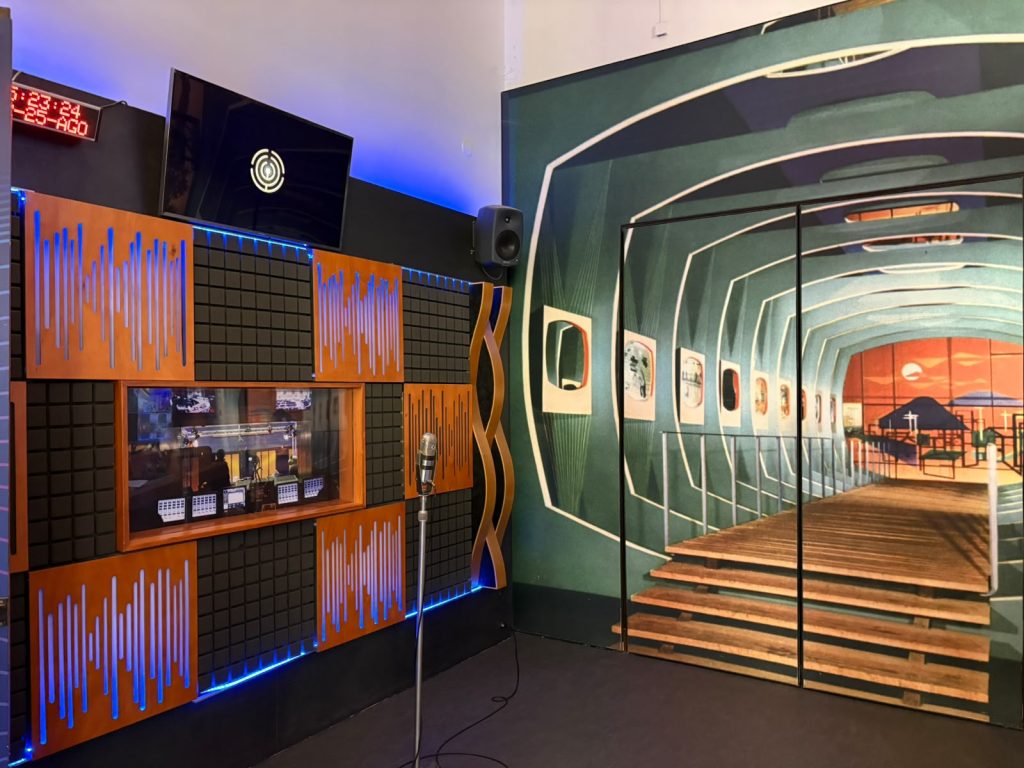
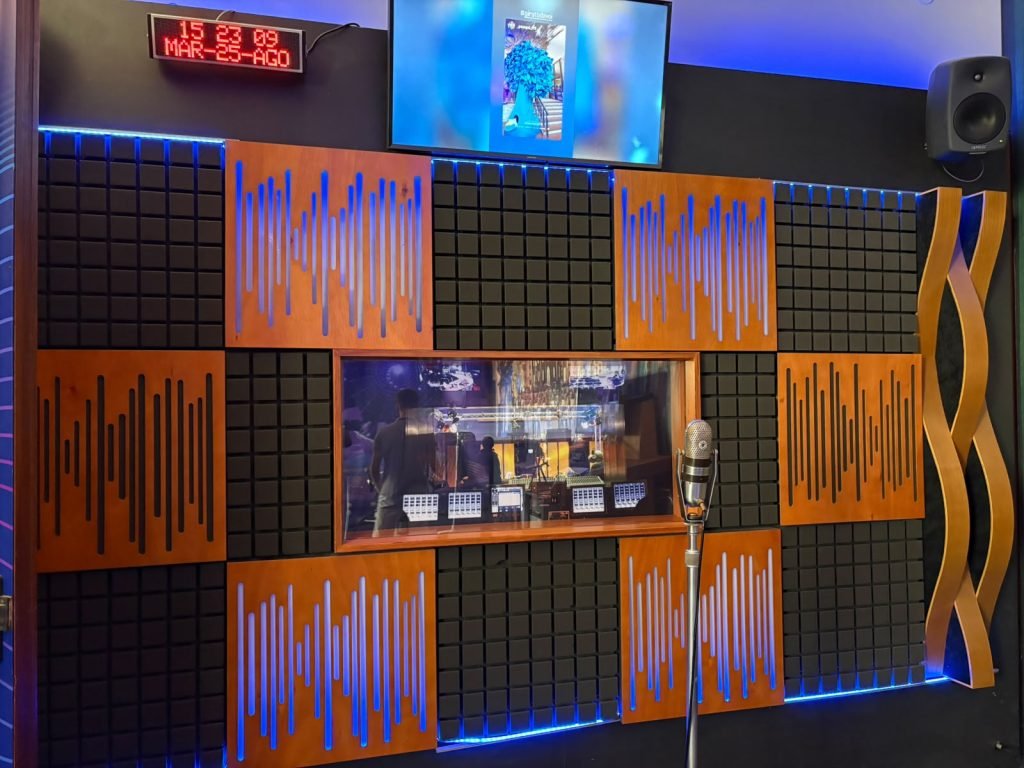
The treatment incorporated Vicoustic Wavewood, Flexi Wave and Flexi A50 panels, combining elements with different acoustic properties.
2. Controlling reflections without making the studio sound too “dead”
In a recording studio, uncontrolled reflections can affect the sound captured by microphones, reduce clarity and make critical listening less reliable.
At the same time, indiscriminately absorbing too much sound energy can result in an overly dry and unnatural environment.
The solution was therefore to combine absorption and diffusion, treating different areas of the studio according to their specific acoustic requirements.
The principle remains just as important today: good acoustics come from balance, not simply from using more sound-absorbing material.
Wavewood and Flexi Wave combine absorption and diffusion, while Flexi A50 works primarily by absorbing mid and high frequencies, making it particularly effective in controlling first reflections.
3. Enhancing voice and music while preserving a natural sound
In recording, both voice and music need to retain clarity, definition and naturalness. Strong reflections can interfere with the direct sound, while excessive absorption can make the room sound unnaturally dry.
By combining different acoustic elements, it was possible to control the most critical reflections without compromising the natural acoustic character of the room, helping to achieve greater vocal clarity and a more natural musical response.
From the recording studio to the RAI Museum in Turin
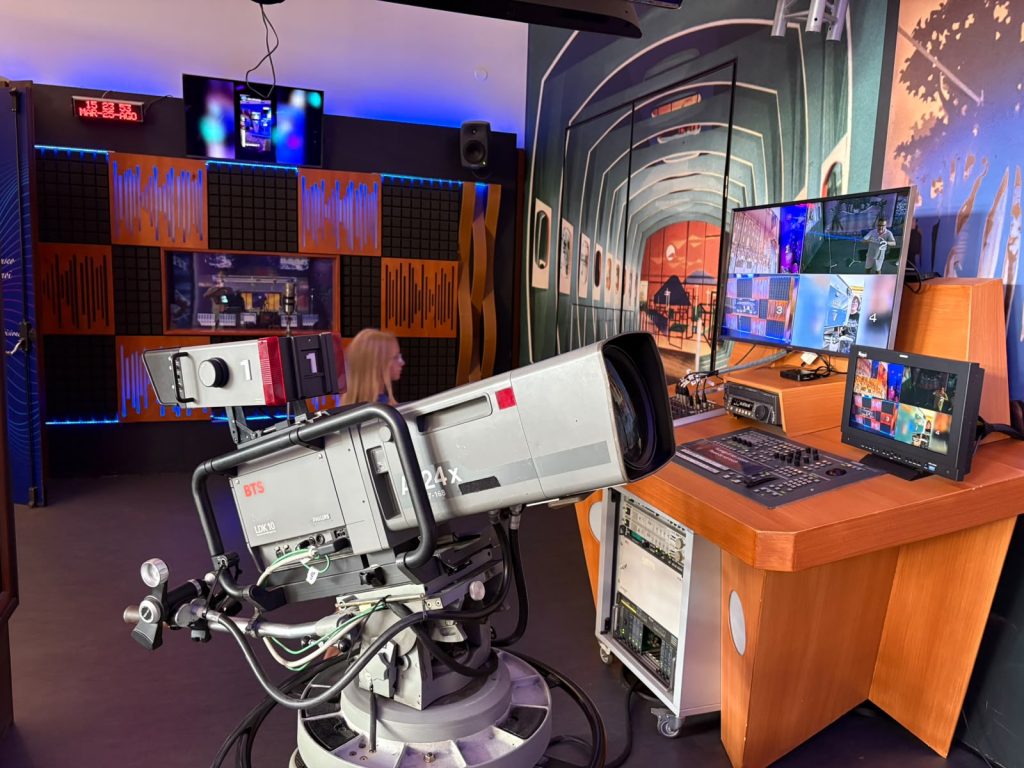
The photographs shown today do not depict the studio in its original configuration, but a reconstruction created for an exhibition at the RAI Museum in Turin.
For this installation, some of the same acoustic panels used in the original project were reused to recreate an environment that could show visitors what a recording studio looks like and how acoustic treatment is applied within it.
The arrangement visible in the photographs is therefore primarily intended for display purposes and does not faithfully reproduce the original acoustic design.
Yet it still communicates a principle that remains just as relevant today.
It’s not about the right panel. It’s about the right design.
A recording studio is perhaps one of the clearest examples of why acoustic treatment needs to be designed, not simply applied.
Absorbing sound, diffusing it, controlling first reflections and preserving the natural character of voice and music: every space requires a different balance.
This is the same approach 15P brings to its projects today, from professional environments and home studios to cinema rooms, offices, hospitality spaces and residential interiors: start with the problem, understand how the space is used, and only then identify the most appropriate acoustic solution.
It is the same design-led approach that defines 15P today, from consultancy and acoustic design through to installation.